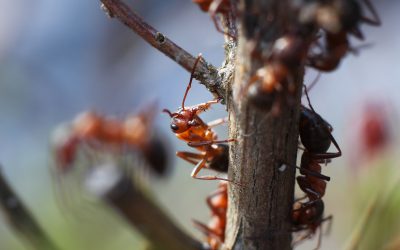
Arizona’s climate creates conditions that allow pests to remain active throughout the year, rather than following strict seasonal patterns seen in cooler regions. Because of this, effective pest control treatment requires consistent monitoring and adaptation to changing environmental conditions.
Why does Arizona’s climate increase year-round pest activity?
Unlike areas with long winters that naturally reduce pest populations, Arizona experiences mild winters and extended warm periods. These conditions allow many pests to remain active indoors and outdoors without interruption.
In Buckeye, AZ, high temperatures combined with dry conditions often push pests indoors in search of water, shelter, and stable environments. As a result, homeowners frequently search for pest control near me even outside of what would traditionally be considered peak pest seasons.
This continuous activity means that pest issues are not limited to one time of year but require ongoing attention.
How do extreme summer temperatures affect indoor pest behavior?
During the summer, temperatures in Buckeye can rise significantly, creating harsh outdoor conditions for many pests. While heat may seem like it would reduce pest activity, it often has the opposite effect indoors.
Pests such as ants, cockroaches, and spiders are driven inside homes to escape extreme heat and locate moisture. Once inside, they can find ideal conditions to survive and reproduce.
This shift in behavior is why pest control services often see increased demand during hotter months, as indoor infestations become more noticeable.
What role does limited rainfall play in pest movement?
Arizona’s dry climate also influences pest behavior by limiting natural water sources. When water is scarce outdoors, pests seek alternative sources indoors, such as kitchens, bathrooms, and plumbing areas.
Even small amounts of moisture can attract pests, making homes a reliable environment for survival. This is particularly important in Buckeye, where extended dry periods can intensify this movement.
Effective pest control treatment considers these environmental pressures and targets areas where moisture may attract pests.
Do mild winters eliminate pest problems?
Mild winters in Arizona do not eliminate pest activity. Instead, they allow pests to remain active at lower levels, often going unnoticed until populations grow.
While activity may slow slightly during cooler months, pests such as rodents and certain insects continue to seek indoor shelter. This ongoing presence means infestations can develop gradually over time.
Because there is no true “off-season,” consistent pest control services are important for managing pest populations before they become more significant issues.
How do seasonal transitions affect pest infestations?
Changes between seasons can trigger increased pest movement. For example:
• Transitioning from summer to fall may drive pests indoors as temperatures begin to fluctuate
• Spring can bring increased breeding activity for many insect species
• Sudden weather changes can disrupt outdoor habitats, pushing pests toward homes
These transitional periods often lead to spikes in pest activity, making them critical times for monitoring and treatment.
Homeowners searching for pest control near me during these times are often responding to sudden increases in indoor pest sightings.
Why do some homes experience more pest activity than others?
Not all homes are affected equally by Arizona’s climate. Several factors can influence how vulnerable a property is to pest activity, including:
• Proximity to open land or desert areas
• Landscaping and vegetation around the home
• Structural conditions such as cracks or gaps
• Availability of food and water sources
Homes that provide easier access and favorable conditions are more likely to experience persistent pest issues. This is why tailored pest control treatment plans are necessary to address specific risk factors.
How do indoor conditions support pest survival?
Once pests enter a home, indoor environments often provide stable temperatures, consistent access to resources, and protection from external threats.
Unlike outdoor conditions, which can be unpredictable, indoor spaces allow pests to thrive. This includes areas such as:
• Kitchens and pantries
• Bathrooms and laundry rooms
• Attics and wall voids
These conditions enable pests to establish themselves more easily, making early detection and treatment essential.
What is the importance of adapting pest control strategies to climate conditions?
Because Arizona’s climate influences pest behavior throughout the year, pest control strategies must be adaptable. A one-time treatment is often not enough to address ongoing environmental factors.
Effective approaches include:
• Monitoring pest activity regularly
• Adjusting treatments based on seasonal changes
• Targeting areas most affected by heat and dryness
• Addressing environmental conditions that attract pests
For homeowners in Buckeye, AZ, working with professionals who understand these patterns can improve long-term results. Those seeking trusted pest control services in Buckeye, AZ, can learn more about climate-specific approaches.
How often should pest control be scheduled in Arizona?
Due to the year-round activity of pests, regular service intervals are typically recommended. These may vary depending on the level of pest activity and environmental conditions, but consistent scheduling helps manage populations effectively.
Routine pest control services allow for early detection and timely treatment, reducing the likelihood of larger infestations.
Rather than reacting to visible problems, ongoing service helps maintain control over pest activity in a proactive way.
What are the long-term benefits of climate-aware pest control?
Understanding how Arizona’s climate impacts pest behavior allows for more effective and sustainable pest management. By addressing both environmental factors and pest activity, homeowners can reduce recurring issues and improve overall comfort.
Long-term benefits include:
• Fewer recurring infestations
• More efficient use of treatments
• Improved indoor conditions
• Reduced risk of structural damage
In a region like Buckeye, where pests remain active year-round, aligning pest control efforts with climate conditions is essential for achieving consistent results.
A Year-Round Perspective on Pest Control in Buckeye, AZ
Arizona’s climate creates a unique environment where pests can thrive in every season. Rather than relying on seasonal solutions, effective pest management requires a continuous and informed approach.
By understanding how heat, dryness, and seasonal transitions influence pest behavior, homeowners can make better decisions about prevention and treatment. Combining awareness with professional pest control treatment helps create a more stable and controlled indoor environment throughout the year.