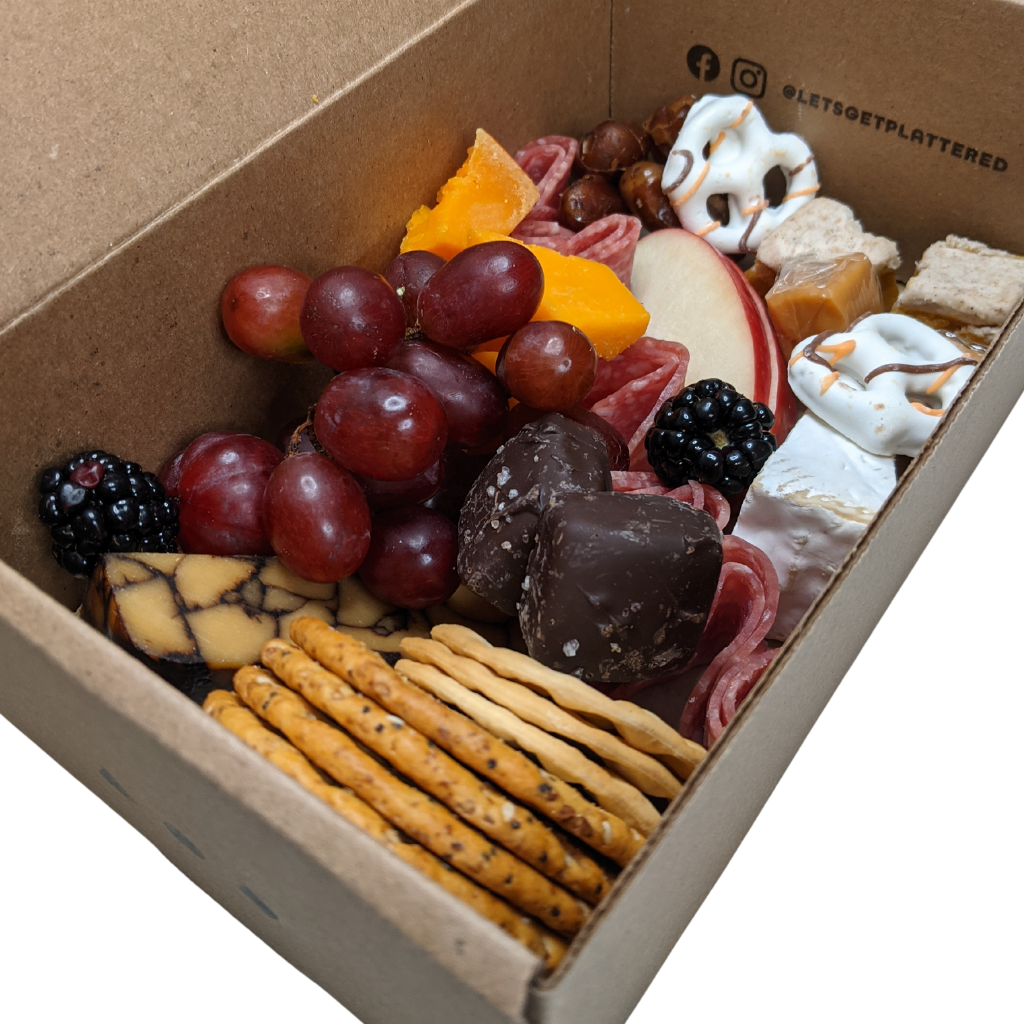
In Phoenix, AZ, many workplaces run beyond a single 9–5 schedule. Distribution centers, healthcare facilities, manufacturing sites, and customer support teams often operate across multiple shifts. When leadership plans a staff appreciation meal, training day, or milestone event, corporate catering can quickly become complicated: how do you serve everyone fairly without the first group getting the best food and the last group getting what’s left?
A staggered serving plan is one of the most practical ways to keep food fresh, reduce waste, and support smooth event flow. This guide breaks down how staggered plans work, what details matter most, and how to coordinate catering services for multi-shift teams, without turning the meal into a logistical headache.
Why Multi-Shift Corporate Catering Is Different
Multi-shift teams create challenges that standard event catering doesn’t always account for:
-
Staggered breaks: Teams may have overlapping or rotating lunch windows.
-
Different headcounts per shift: One shift may be twice the size of another.
-
Limited serving space: Break rooms may not fit a full crowd at once.
-
Food quality risks: Items can cool, dry out, or lose texture over time.
-
Operational constraints: Some roles cannot leave their stations simultaneously.
The goal is to serve each group a meal that feels intentional—hot where it should be hot, crisp where it should be crisp, and portioned to match the headcount of each serving window.
What A Staggered Serving Plan Means
A staggered serving plan is a structured approach to serving food in waves, timed to each shift’s break schedule. Instead of setting everything out once and hoping it holds, the meal is organized around planned refresh points.
A good plan typically includes:
-
Serving windows aligned with shift breaks (e.g., 11:00–11:45, 12:00–12:45, 1:00–1:45)
-
Portioning by window so earlier groups don’t unintentionally take food meant for later teams
-
A refresh schedule for items that don’t hold well (certain proteins, sides, and baked items)
-
Clear labeling and flow to reduce bottlenecks
This approach works for corporate catering, training events, and ongoing workplace meal programs where teams rotate through meal periods.
Key Details That Keep Food From Going Cold
Cold food usually isn’t caused by one mistake, it’s the result of several small planning gaps. These details make the biggest difference.
Match Menu Choices To Hold Time
Some foods hold better than others. When planning catering services for multiple waves, prioritize items that maintain texture and temperature longer, and schedule quick-refresh items for each wave.
Use “Two-Line” Serving Flow
If space allows, set up two identical serving lines. This reduces wait times and helps each wave move through quickly, important when breaks are short and teams need to return to work on time.
Plan For Packaging And Portions
Portioning is a major factor in fairness across shifts. Pre-portioned items (or clearly measured serving utensils) help ensure later waves aren’t left with limited options.
Place A “Refresh Point” In The Timeline
Instead of placing all food out at once, plan at least one refresh point where key items are replaced or replenished. Even a single refresh point can dramatically improve quality for later shifts.
Sample Staggered Serving Plans For Phoenix Workplaces
Below are example frameworks you can adapt based on shift structure and available space.
Plan A: Three Waves With One Refresh
-
Wave 1: 11:00–11:40
-
Refresh: 11:40–12:00
-
Wave 2: 12:00–12:40
-
Wave 3: 12:45–1:25
Best for: medium-sized teams sharing one break room.
Plan B: Four Smaller Waves With Rotating Stations
-
Wave 1: 10:45–11:15
-
Wave 2: 11:20–11:50
-
Wave 3: 12:00–12:30
-
Wave 4: 12:35–1:05
Best for: tight break schedules, smaller spaces, and roles with limited coverage flexibility.
Plan C: Split By Department Or Zone
-
Zone 1: 11:00–11:35
-
Zone 2: 11:40–12:15
-
Zone 3: 12:20–12:55
-
Zone 4: 1:00–1:35
Best for: large facilities where departments can’t all break at once.
How To Estimate Headcount And Reduce Waste
For corporate catering, accurate headcount is one of the most important planning inputs. Over-ordering can increase waste; under-ordering creates frustration and inequity between shifts.
Ways to improve accuracy:
-
Track RSVPs by shift (not just overall attendance)
-
Ask supervisors for expected attendance ranges per wave
-
Plan a small buffer for unexpected participation (especially for open break rooms)
-
Confirm the serving schedule the day before the event
If the event is spread across a long window, it also helps to plan “fast finish” items toward the end, foods that still taste good later rather than items that degrade quickly.
Setup, Signage, And Flow: Small Changes That Matter
Event catering success often comes down to traffic flow. For multi-shift teams, clear flow is even more important.
Consider:
-
A visible start and end point for the line
-
Labels for each item to reduce questions and delays
-
A separate table for utensils/plates/condiments so the serving line keeps moving
-
Trash and cleanup areas positioned away from the serving line
These steps reduce congestion, protect break time, and help each wave start with a clean, organized setup.
Phoenix, Az Checklist For A Smooth Multi-Shift Meal
Before you confirm catering services, verify these logistics:
-
Serving windows by shift (exact times)
-
Break room capacity and serving-line layout
-
Whether a refresh point is needed
-
Storage access (counter space, warm holding space if available)
-
Dietary needs and labeling requirements
-
The point of contact onsite for each shift window
If you’re planning a workplace meal with rotating break times and want a resource for coordinating logistics, their team shares options for reliable catering for multi-shift teams.